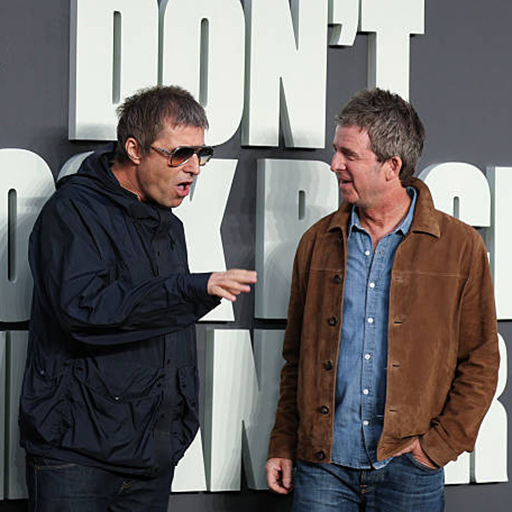

When Oasis stepped back onto the stage for the first time in over a decade, fans around the world saw a triumphant and emotional reunion. What they didn’t see was the massive machinery working quietly behind the scenes — a meticulous operation that had been in motion long before the band officially announced their comeback.
According to the tour’s video director and production designer, the “Live ’25” tour was the result of 14 months of pre-production, a period filled with planning, secrecy and an ambition to create something that would stand apart from anything the band had done before. This means that while the world was still speculating about whether Liam and Noel Gallagher would ever share a stage again, preparations were already deep underway.
A Year of Secrets and Silent Preparation
The 14-month development phase reveals just how intentional the reunion truly was. Far from a last-minute reconciliation or a spontaneous industry decision, this comeback was treated like a major global event: locked-down communication channels, private meetings, design experiments, production tests and a tight-knit team sworn to confidentiality.
The crew spent months refining the visual language of the tour — from the set design to the video elements, lighting concepts and stage layout. Everything had to reflect the legacy of Oasis while still pushing the production into modern territory. There was a sense among the team that this reunion had to be monumental, not nostalgic; a celebration of past glory with the scale and spectacle of a contemporary stadium tour.
The Team Behind the Curtain
For the people working backstage, “Live ’25” was more than a job. Crew members described an atmosphere of cohesion and pride — a group of professionals operating at the peak of their expertise, united by the knowledge that they were contributing to one of the most anticipated comebacks in rock history.
From the early planning stages to the final night of the tour, the crew emphasised the absence of ego and the presence of a shared mission: to deliver a show worthy of the band’s name. Many described the experience as a career highlight, not only because of the scale of the production but also because of the emotional significance of being part of such a historic moment.
Scaling Up the Oasis Live Experience
One of the most ambitious aspects of the tour was its sheer technical scale. “Live ’25” pushed production boundaries in multiple ways:
- Massive stage screens were used throughout the tour, including an enormous display setup during the Manchester dates — one of the largest ever used for a UK concert.
- Stadium-level lighting rigs and cinematic video sequences were designed to give each performance a sweeping, immersive feel.
- A unified visual identity was crafted through months of experimentation, ensuring that every show looked and felt cohesive regardless of the country or venue.
- Symbolic imagery, archival footage and bespoke tour graphics supported the narrative of a band reconnecting with their past while stepping into a new chapter.
This wasn’t simply a reunion tour; it was a full-scale production built with the detail and discipline of a global blockbuster.
A Tour Built to Make History
By the time Oasis began the first show in Cardiff, the framework behind “Live ’25” was already a well-oiled machine. The consistency of the tour — from the stage energy to the flawless visuals — became one of its defining qualities, and much of that came from the year of preparation behind the scenes.
Across 41 shows in multiple continents, the production team maintained a standard that rarely faltered, even as the tour grew emotionally intense for the band and fans alike. The scale of the effort elevated the reunion from a nostalgic return to an event that felt definitive — a major chapter in the band’s history rather than a brief look back.
What These Revelations Mean for Fans
Knowing that the reunion was crafted in secrecy for over a year adds a new emotional weight to the tour. It reshapes the narrative: Oasis didn’t simply decide to give fans a quick taste of the past — they built something engineered to last, to surprise, and to honour the band’s legacy with the respect it deserved.
For many fans, this insight deepens the appreciation of “Live ’25.” It highlights that the reunion was not only about Liam and Noel standing together on stage again; it was also about crafting an experience that matched the significance of that moment.
And perhaps most intriguingly, it suggests something about the future. A project that took over a year of preparation hints that Oasis are willing to invest heavily when they choose to act. Whether or not the band returns to the stage again, the level of detail behind “Live ’25” shows that any future project — musical or live — would likely follow the same philosophy: big, bold, and built in secret until the right moment arrives.